Laundry Rooms
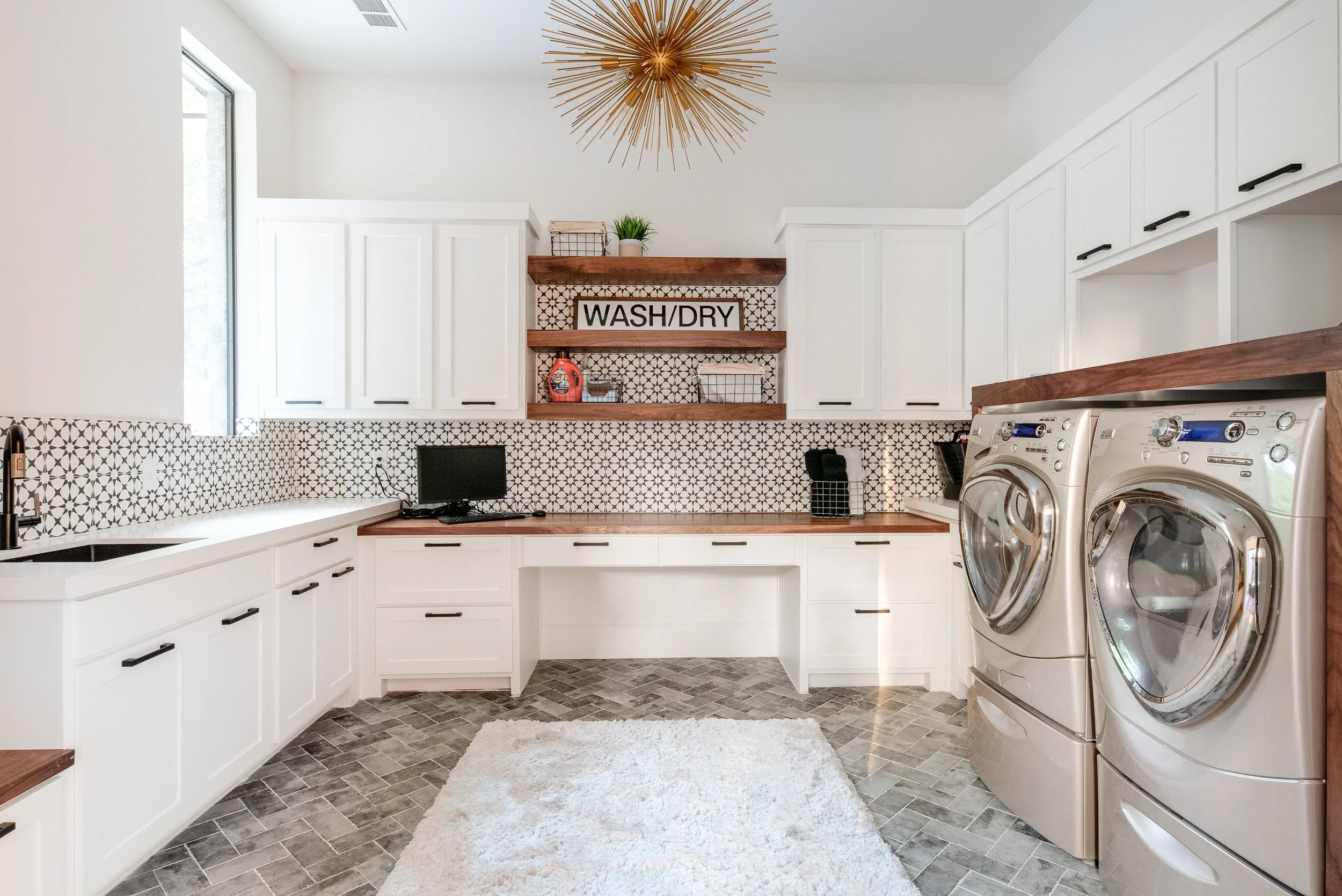
The Elevated Laundry Room: Why Windows Matter More Than You Think
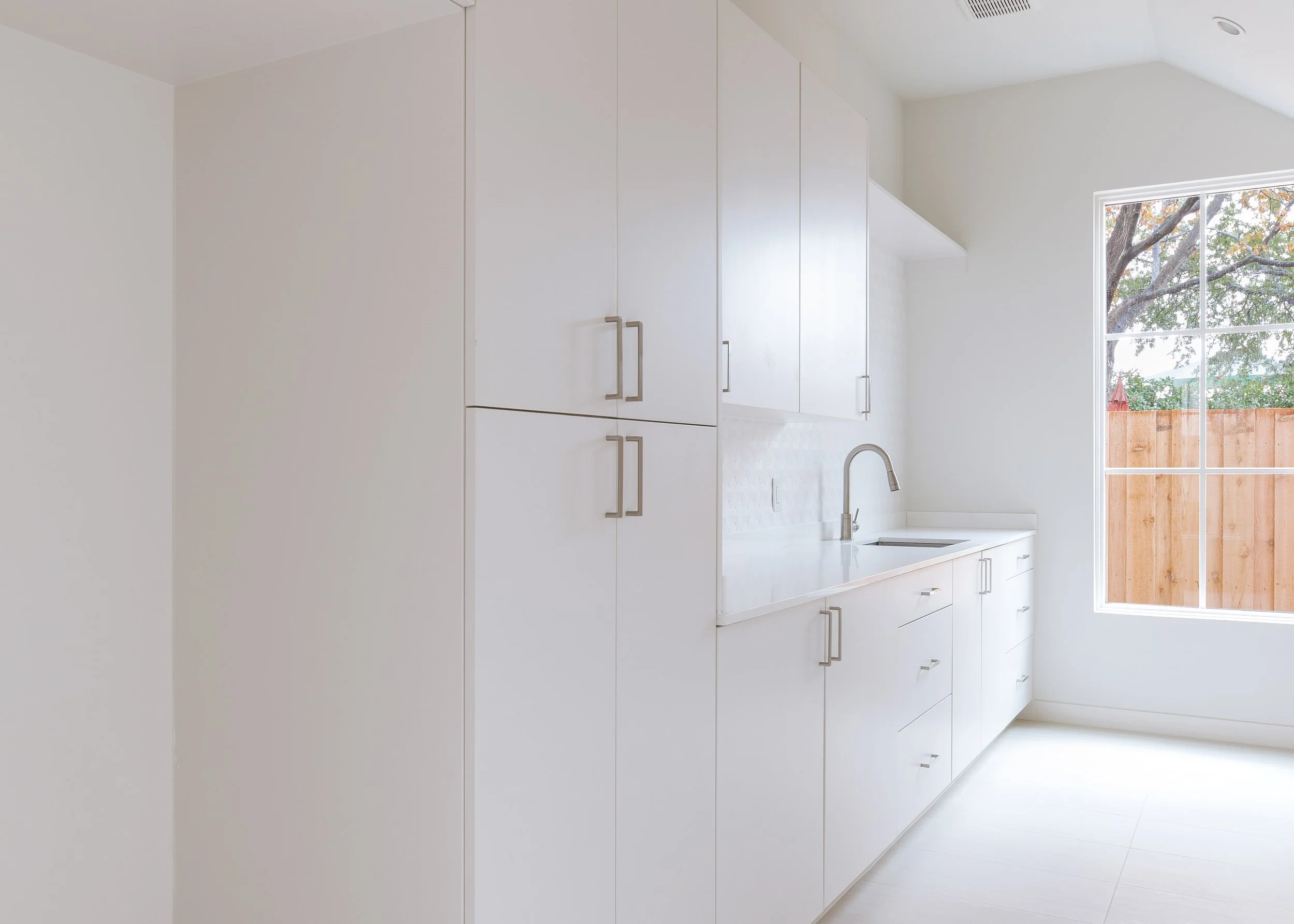
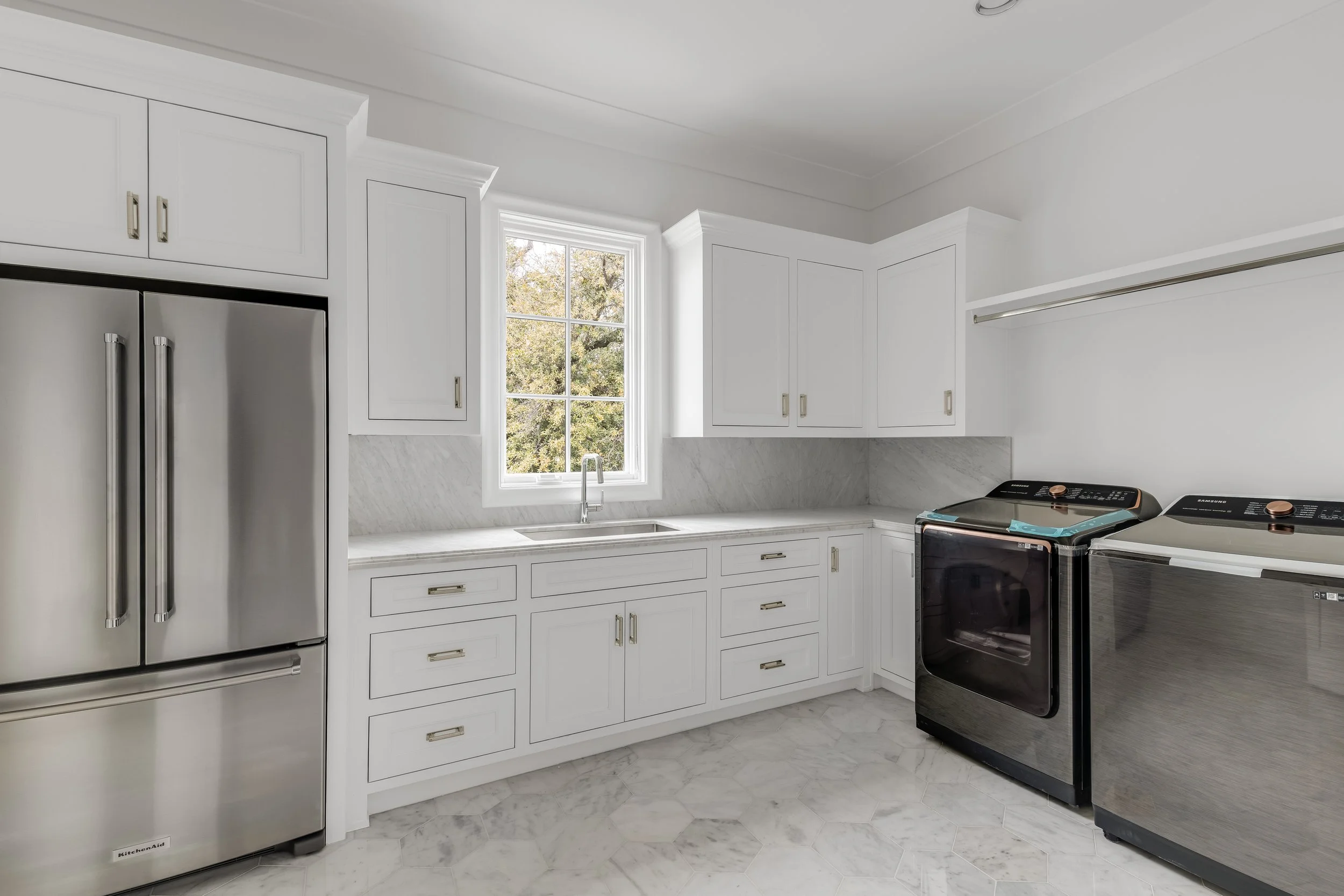
Laundry rooms were once treated as purely utilitarian—hidden away, underlit, and designed with minimal consideration. That mindset has shifted. In higher-end homes today, the laundry room is a deliberately designed space that balances performance, comfort, and aesthetics. One of the most impactful—and often underestimated—design decisions in this room is the window.
Current Homeowner & Builder Trends
In both custom homes and high-quality remodels, homeowners increasingly prioritize natural light in the laundry room. Windows are now considered a core design element rather than an afterthought. That said, these windows are typically modest in size—and intentionally so.
Laundry rooms are most often located along secondary exterior walls, rear elevations, or interior-adjacent corners of the home. These placements rarely allow for expansive glazing without compromising cabinetry, appliance layout, or storage density. Because laundry rooms function as both utility and storage spaces, oversized windows often introduce trade-offs that don’t make practical sense.
As a result, builders and designers tend to specify smaller, well-placed windows that deliver light and ventilation without sacrificing functionality.
The most common placements are:
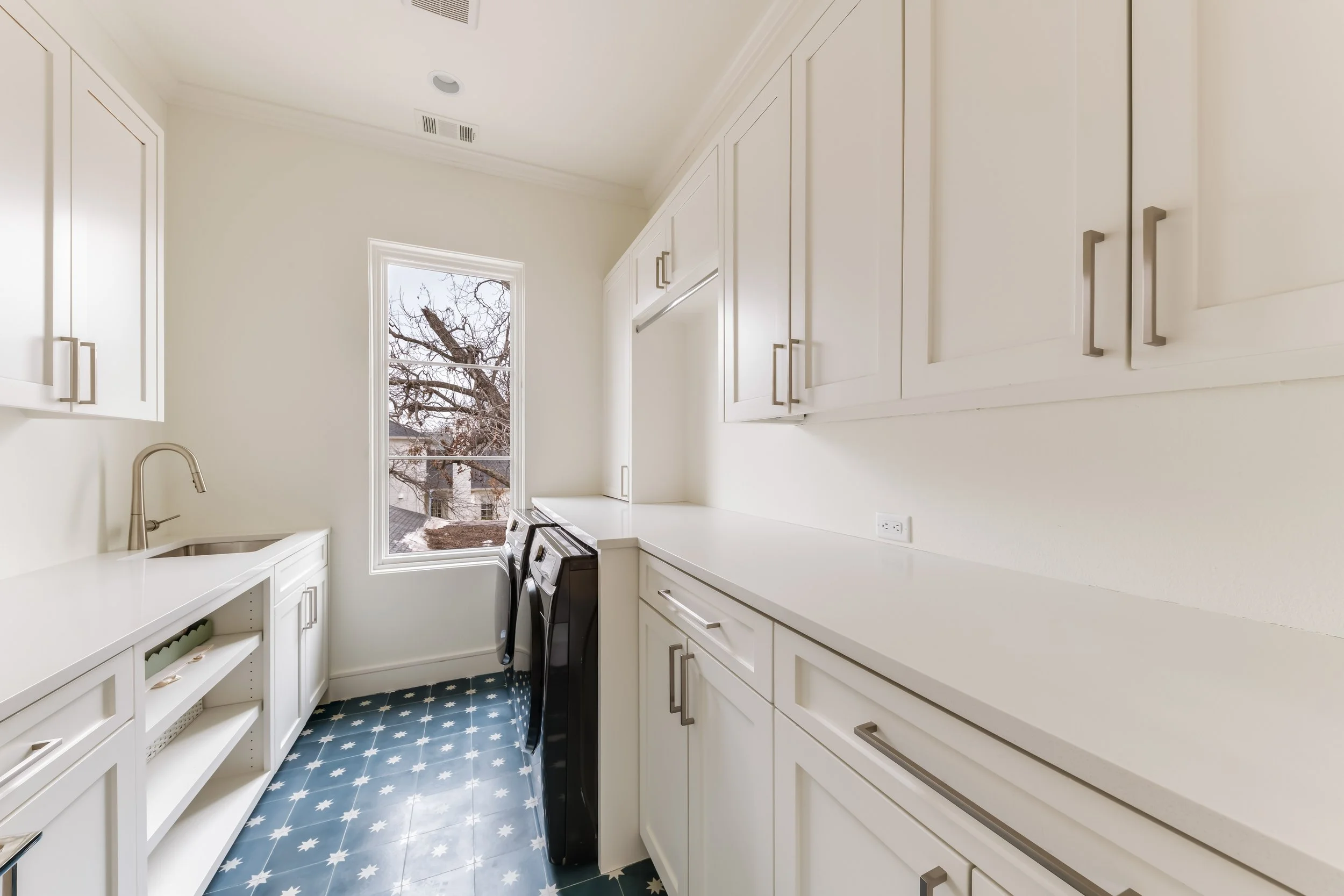
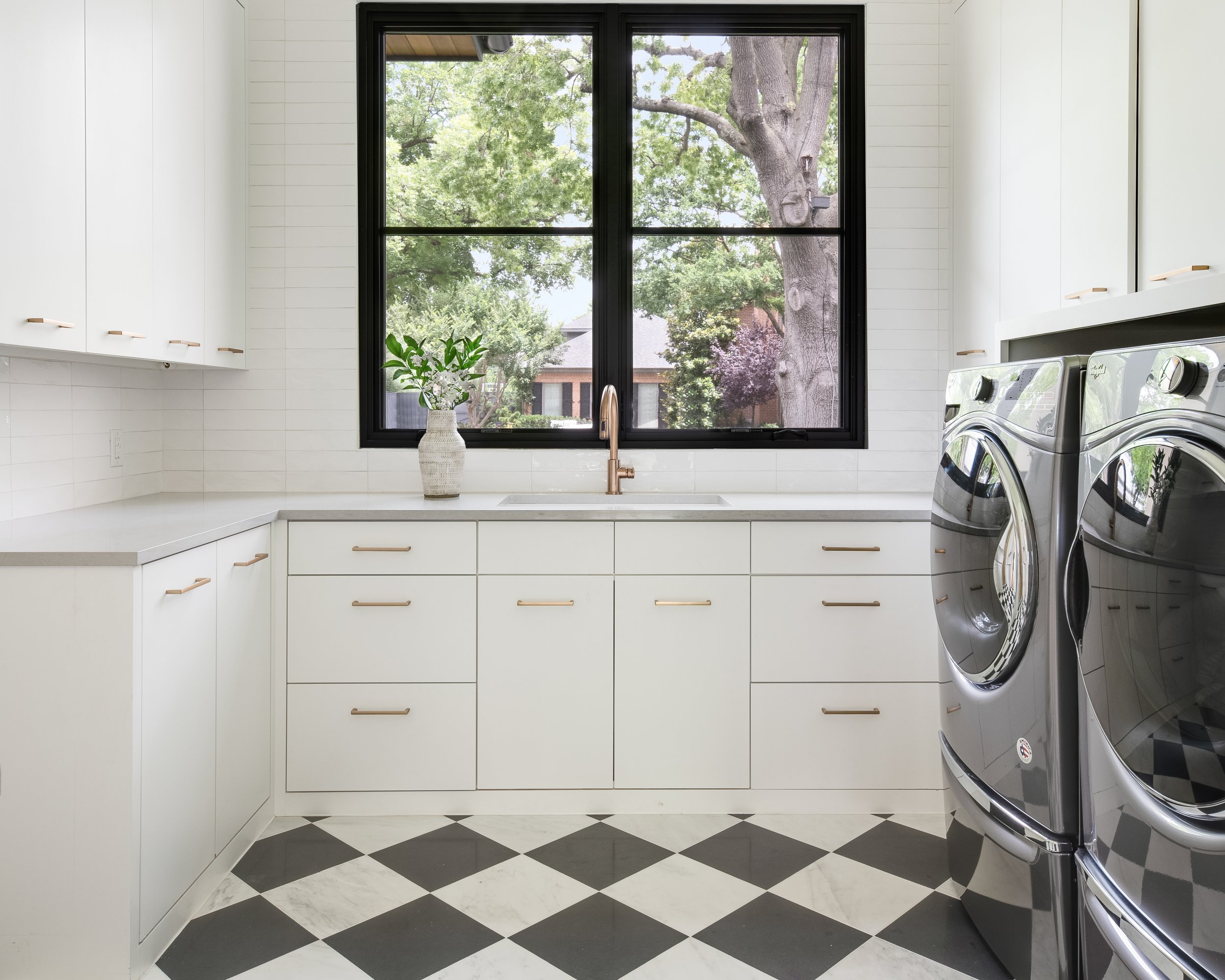
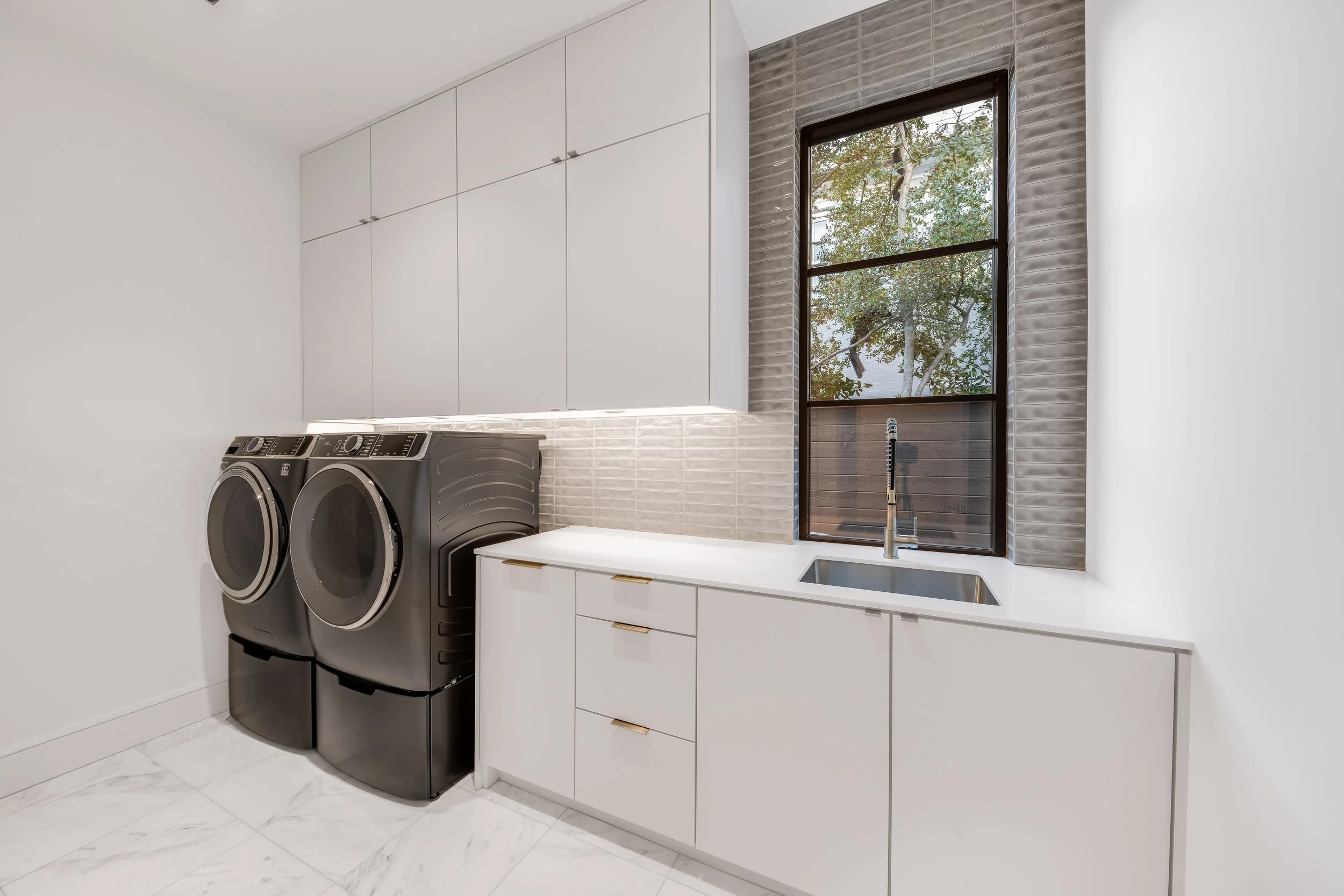
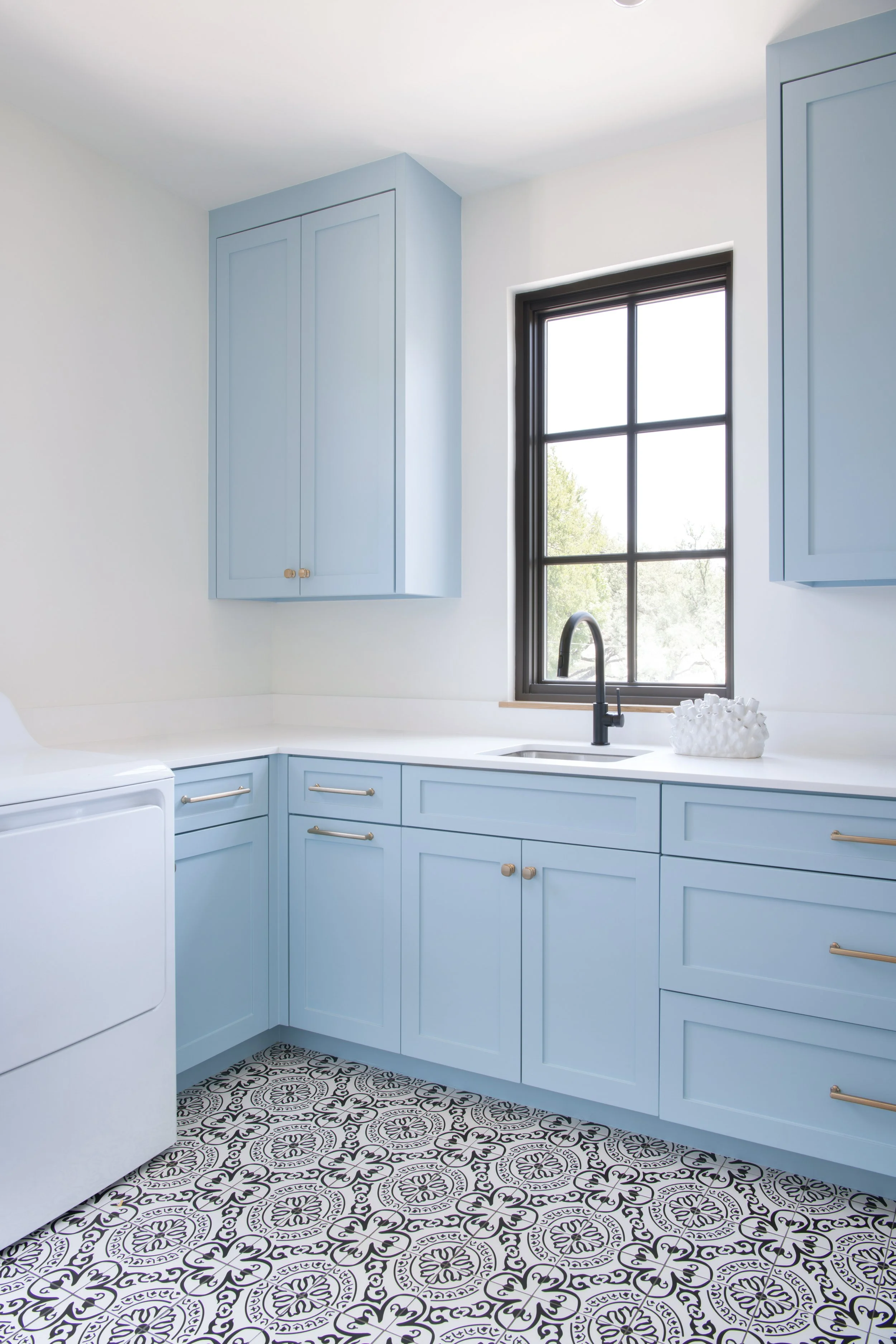
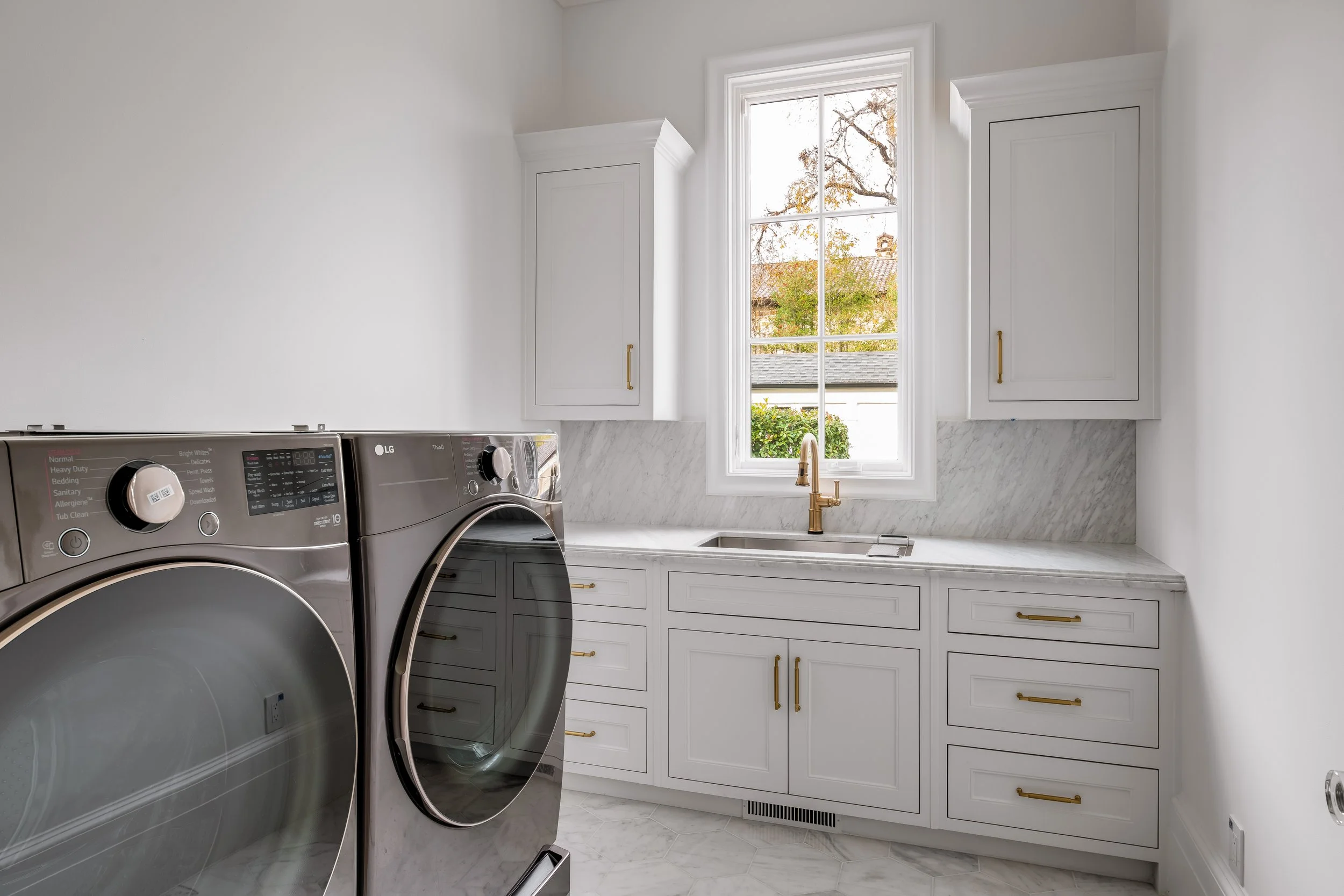
Above utility sinks
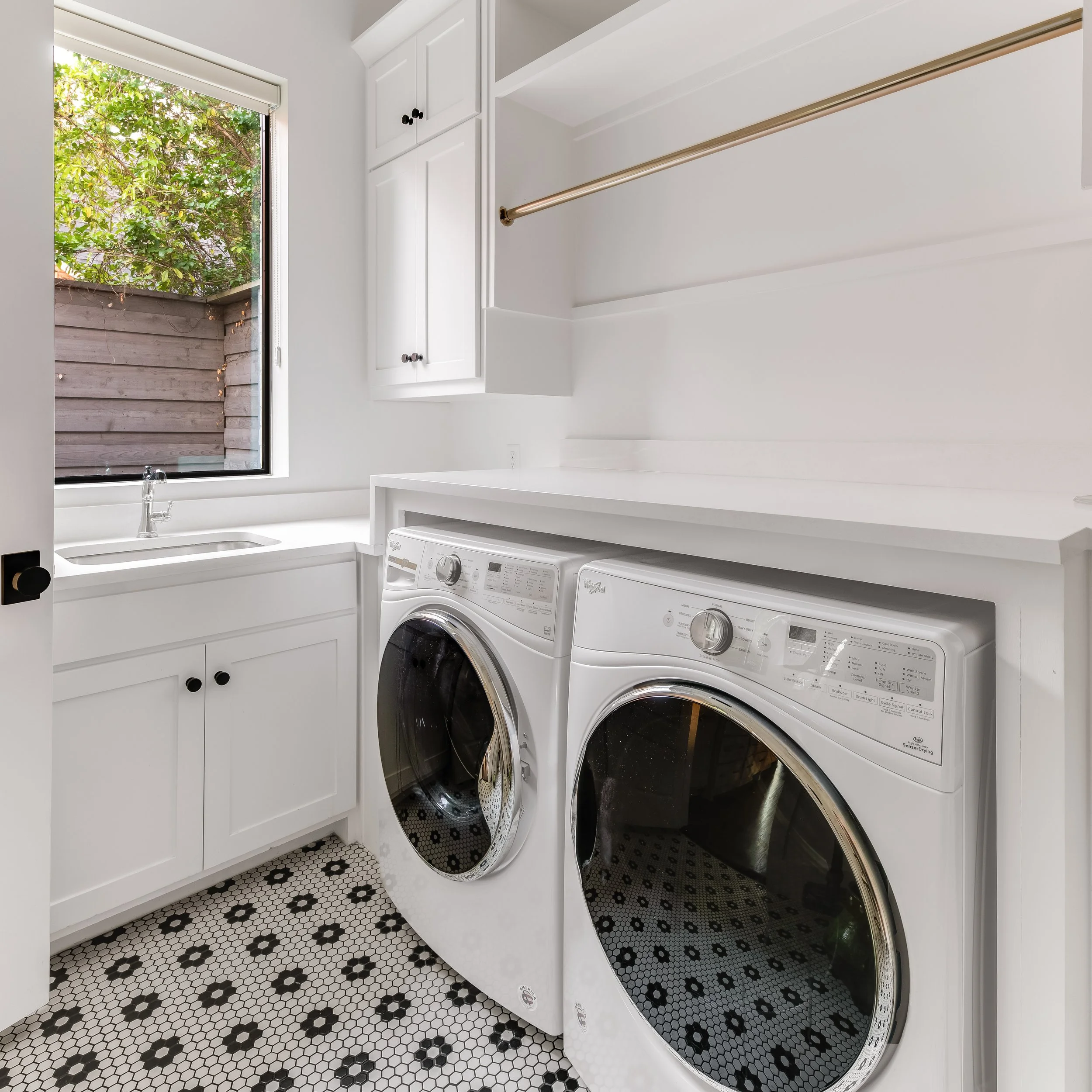
On walls perpendicular to washer/dryer runs
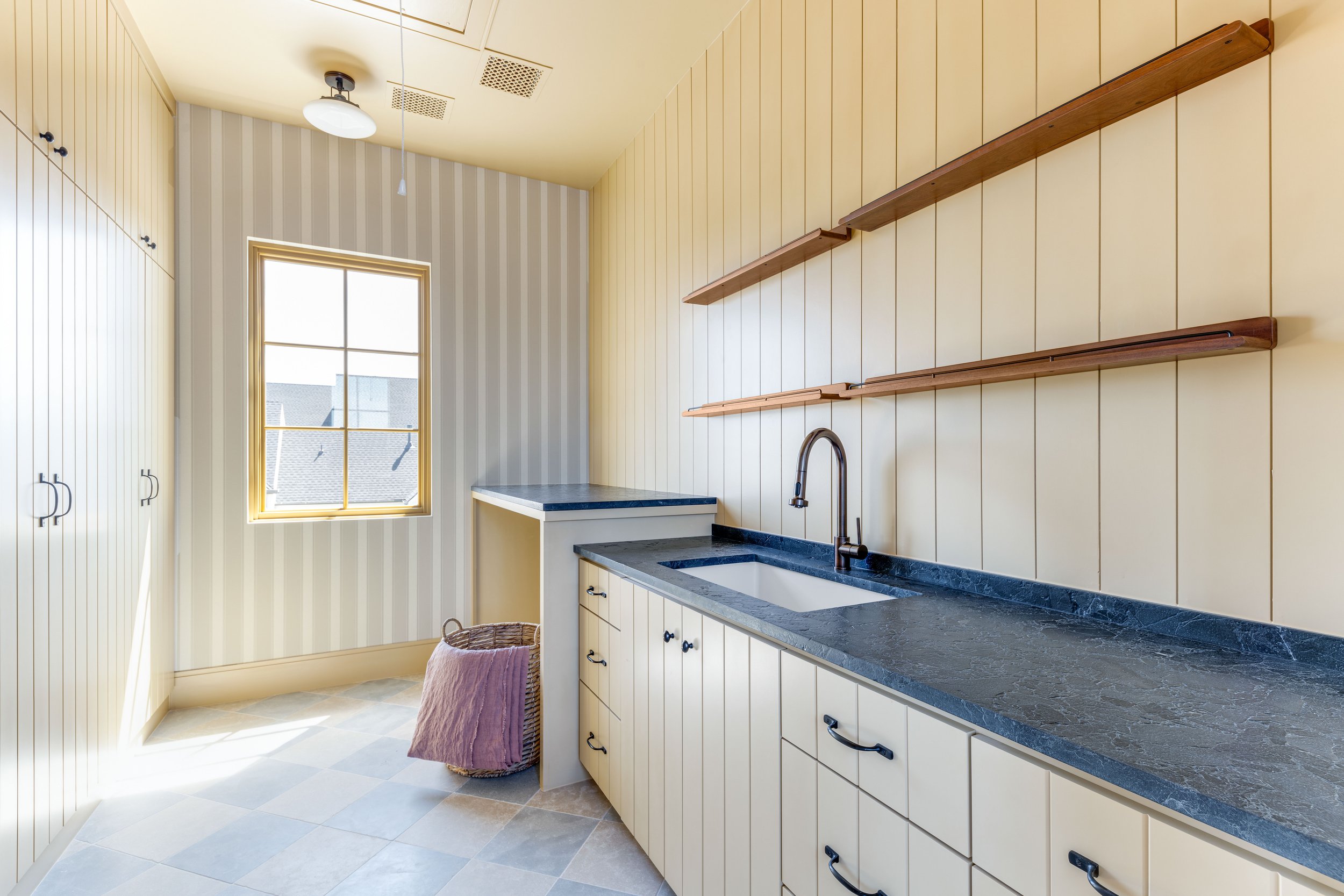
High on the primary exterior wall of the room
These locations maximize daylight penetration, preserve usable wall space, and align with the room’s circulation patterns.
Why Windows Are Especially Valuable in Laundry Rooms
Moisture & Humidity Control
Washers, dryers, and sinks generate heat and humidity. In enclosed spaces, moisture accumulation can occur quickly, increasing the risk of mold and material degradation. An operable window provides immediate, passive ventilation—often more effective than relying solely on mechanical exhaust.
Improved Indoor Air Quality
Laundry products introduce volatile compounds into the air. Even in well-ventilated homes, this room benefits from a direct path to fresh air. Operable windows allow odors and chemical buildup to dissipate naturally.
Thermal Relief
In compact laundry rooms, appliance heat can cause noticeable temperature spikes. A window offers fast pressure and heat release—particularly valuable in warmer climates or during extended appliance use.
Daylight That Changes the Experience
Natural light fundamentally alters how the space feels and functions. Even a relatively small window can transform a laundry room from a closed-off utility zone into a bright, composed space. Daylight improves visibility for sorting fabrics, identifying stains, and performing detailed tasks—while also making the room feel larger and more intentional.
Top Choices for Laundry Room Windows
Casement Windows
Highly effective for ventilation, casement windows open fully and direct airflow efficiently. They seal tightly when closed, making them a strong choice where humidity control and energy performance matter.
Double-Hung Windows
A classic solution that integrates easily with traditional architecture. They provide balanced ventilation without encroaching on interior space and are often selected for visual continuity with the rest of the home.
Transom Windows
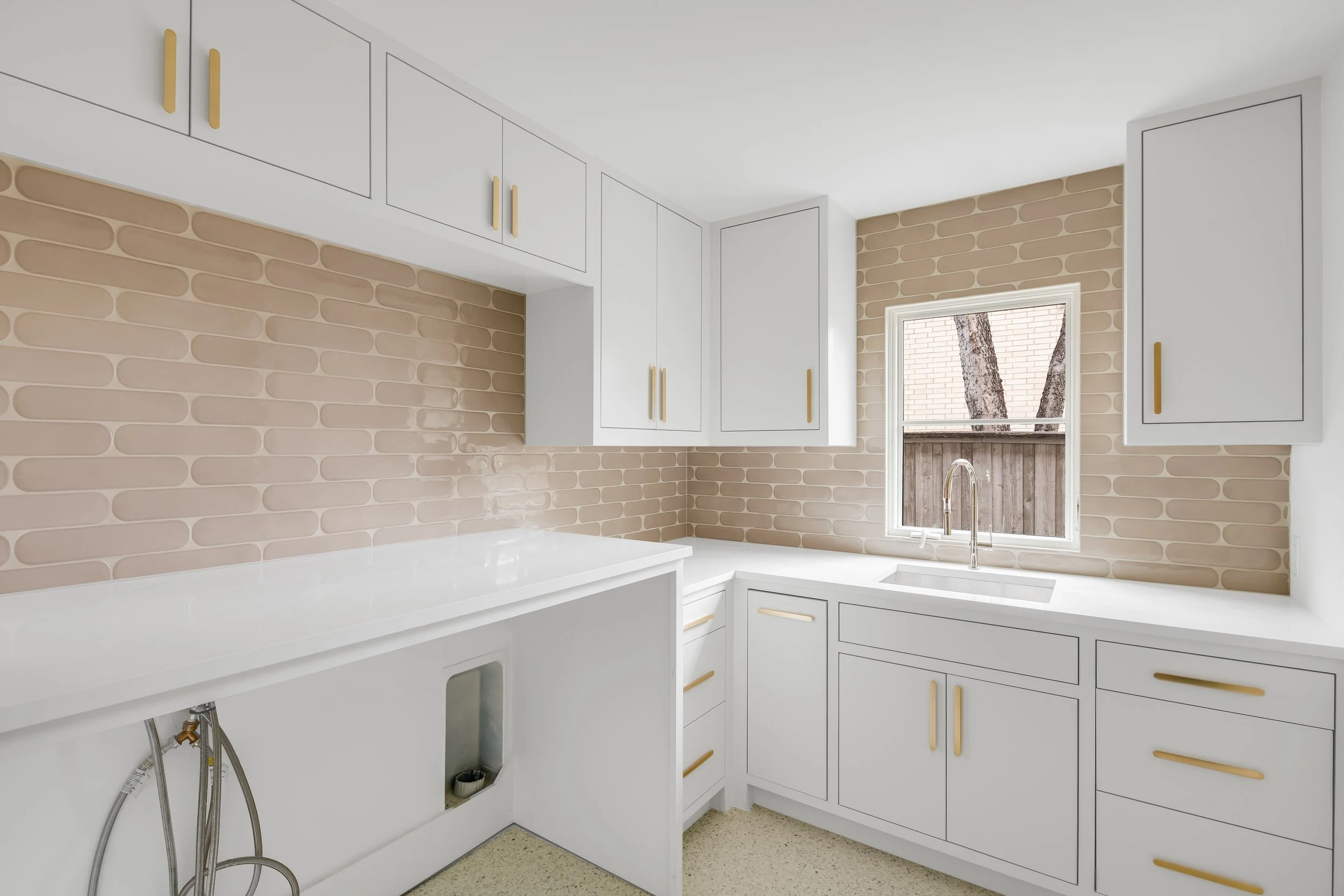
Ideal where privacy or wall space is a concern. Installed above cabinetry or appliances, transoms deliver daylight without visual exposure. They can be specified as fixed or operable depending on ventilation needs.
Architectural Shapes
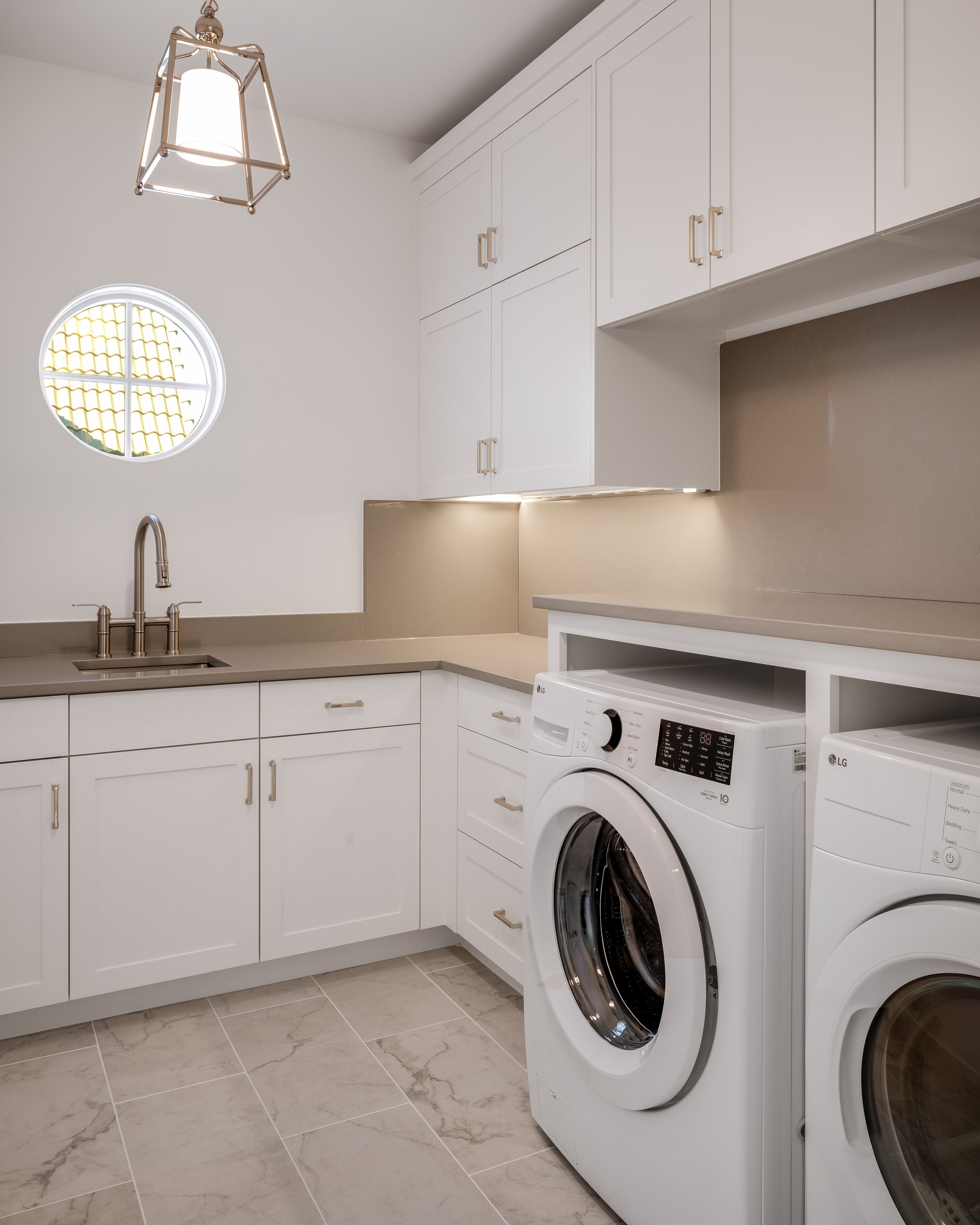
In higher-end homes, non-rectangular window shapes such as ovals, circles, and soft arches are increasingly specified in laundry rooms. These forms elevate the space through architectural detail rather than scale, adding character without overwhelming a room that is inherently functional.
Laundry rooms depend on continuous wall space for counters, sinks, cabinetry, and storage, which makes expansive glazing impractical in most layouts. Shaped windows respond to this constraint elegantly. They introduce natural light and softness while preserving the surfaces the room relies on, resulting in a space that feels intentional, refined, and quietly high-end.
A Small Detail with Outsized Impact
In a laundry room, a window is never just a window. When properly sized and thoughtfully placed, it enhances air quality, improves comfort, protects materials, and elevates the daily experience of the space. For homeowners investing in quality throughout their home, this is a detail that consistently delivers far more value than its footprint suggests.